
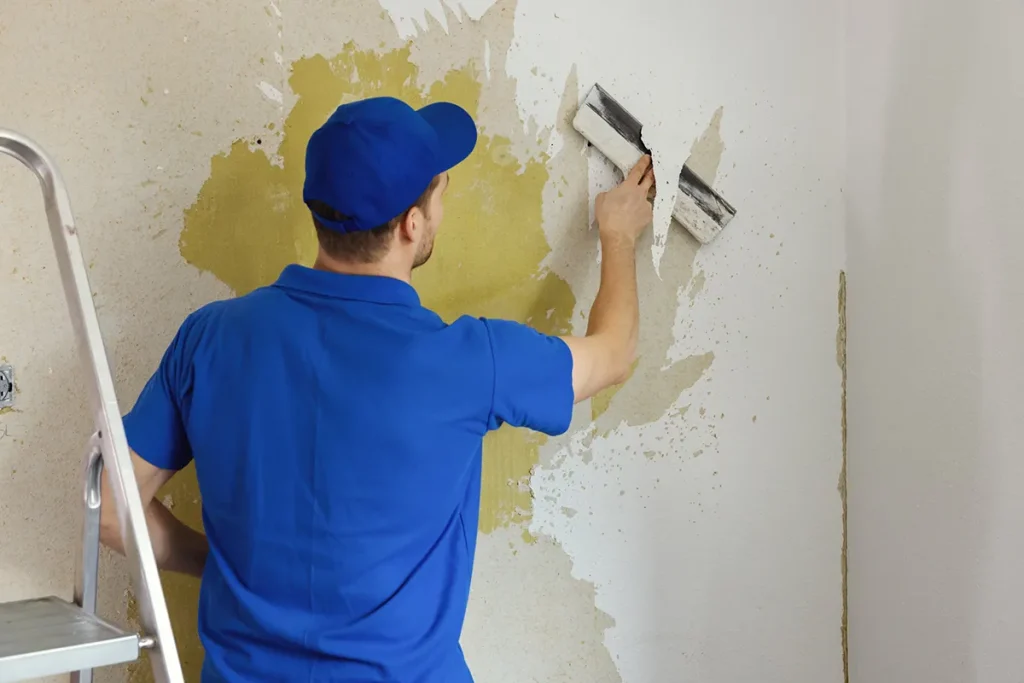
Florida has millions of homes built before 1978, the year federal law banned the use of lead-based paint in residential construction. If your home was built before that cutoff, lead-based paint may be present somewhere on the property, whether on window trim, door frames, interior walls, or exterior surfaces. The fact that it has been painted over multiple times since does not mean the risk is gone.
Understanding how to identify lead-based paint, what the health risks are, and what steps to take if you find it is essential information for any Florida homeowner, especially those with young children at home.
Why Lead Paint Is a Serious Health Concern
Lead is toxic. There is no safe level of lead exposure for children, and the effects of lead poisoning are serious and in many cases permanent. The CDC identifies lead poisoning as a cause of learning disabilities, developmental delays, behavioral problems, and damage to the nervous system in young children, whose developing bodies absorb lead at a much higher rate than adults.
Adults are not immune. Long-term lead exposure in adults is linked to high blood pressure, kidney damage, and neurological effects. Pregnant women face additional risk, as lead exposure can affect fetal development.
Lead paint that is in good condition and left undisturbed presents a lower immediate risk. The danger escalates when paint begins to chip, crack, or peel, or when surfaces are disturbed during renovation work. At that point, lead dust becomes airborne and can be inhaled or ingested without anyone in the home realizing it.
How to Tell If Your Home May Contain Lead Paint
Start With the Age of the Home
The single most reliable indicator is construction date. Homes built before 1978 have a meaningful probability of containing lead-based paint somewhere on the property. The older the home, the higher the likelihood. In Florida, many neighborhoods contain housing stock from the 1940s through the 1970s, particularly in older urban areas of Miami, Tampa, Jacksonville, and Orlando.
Look at the Condition of Painted Surfaces
Walk through the home and pay close attention to high-friction surfaces where paint wears faster. Window sills, door frames, stair railings, and baseboards are common problem areas. Paint that is chipping, cracking, flaking, or pulling away from the surface warrants immediate attention, particularly in homes of the relevant age.
A pattern sometimes called alligatoring, where old paint develops a scaly, reptilian texture as it ages and dries out, is another visual indicator sometimes associated with older lead-based paints. It is not confirmation on its own, but it is worth noting.
Consider the Home’s Renovation History
If your Florida home was renovated at any point before 1978, or if older layers of paint were disturbed without following lead-safe practices, the risk of lead dust contamination increases significantly. Federal law now requires contractors to follow specific lead-safe work practices under the EPA’s Renovation, Repair and Painting rule when working in pre-1978 homes, but older renovation work carried no such requirement.
Testing Methods That Actually Confirm Lead
Visual inspection alone cannot confirm the presence of lead. Testing is the only way to know for certain.
Home Test Kits
Lead test kits are available at hardware stores and online. They use a chemical swab that changes color when it contacts lead. They are inexpensive and easy to use, making them a reasonable first step. However, they have limitations. They can produce false negatives, particularly when lead paint has been covered by multiple layers of newer paint. A negative result from a home kit does not guarantee the surface is lead-free.
X-Ray Fluorescence Testing
XRF testing uses a handheld device that scans painted surfaces and detects lead content without requiring the paint to be disturbed or sampled. It is fast, noninvasive, and highly accurate. This is the method used by certified lead inspectors and risk assessors and is considered the industry standard for professional lead testing.
Laboratory Analysis
Paint chip samples collected from the surface can be sent to a certified laboratory for chemical analysis. This method provides confirmed, documented results about the specific lead content of the paint. It is slower than XRF but equally accurate and produces written documentation that can be used for real estate transactions or insurance purposes.
What to Do If Lead Paint Is Found
Do Not Disturb It Without a Plan
If the paint is intact, meaning it is not peeling, chipping, or in an area subject to regular friction, the immediate priority is to leave it alone. Disturbing lead paint without proper containment releases lead dust into the air and makes the situation worse, not better.
Clean Carefully If Surfaces Are Already Deteriorating
If paint is already peeling in a limited area, clean affected surfaces using a damp cloth or wet mop. Dry sweeping or vacuuming with a standard vacuum spreads lead dust rather than containing it. Wear gloves, wash hands thoroughly afterward, and keep children and pets away from the area.
Plan Any Renovations With Lead Safety in Mind
If you are planning to remodel any part of a pre-1978 Florida home, you are legally required to hire contractors certified under the EPA’s RRP program. Work areas must be properly sealed, protective equipment must be used, and waste must be disposed of according to lead-safe guidelines. Cutting corners during renovation in a home with lead paint creates serious liability and health risk.
Get a Professional Assessment
A certified lead inspector or risk assessor can evaluate your entire property, identify the location and condition of all lead-containing materials, and provide a written report with specific recommendations. This is the most thorough and legally defensible way to understand your home’s lead situation.
When to Call a Professional Immediately
If you have young children living in or regularly visiting a pre-1978 home, if any painted surface in the home is visibly deteriorating, or if you are planning any renovation work that will disturb painted surfaces, do not wait. Professional testing and assessment protect your family and give you a clear path forward.
Pro-Spect Provides Lead Paint Inspections Throughout Florida
Pro-Spect conducts lead paint inspections and risk assessments for Florida homeowners. Our certified inspectors use professional-grade testing methods to accurately identify the presence and condition of lead-based paint in your home, and we deliver clear, detailed reports with practical guidance on next steps.
If you have concerns about lead paint in your Florida home, contact Pro-Spect today. Do not leave your family’s health to guesswork.