Florida is one of the most beautiful places in the country to own a home. It is also one of the most storm-exposed. Hurricanes, tropical storms, and high-wind events are not rare occurrences here. They are an expected part of life in the Sunshine State, and your home either has the features to handle them or it does not.
Wind mitigation refers to construction features and structural upgrades that help a home resist wind damage. Understanding what qualifies, what inspectors look for, and how it connects to your insurance premium is information every Florida homeowner should have.
Why Wind Mitigation Matters More in Florida Than Anywhere Else
Florida has been struck by more hurricanes than any other state in the country. Since official recordkeeping began in 1851, Florida has experienced over 120 hurricanes. Hurricane Ian alone, which made landfall in 2022, caused more than $112 billion in damage across the state.
These storms do not just damage roofs and windows. They devastate finances, displace families, and in many cases leave homeowners with insurance disputes that drag on for years. The stronger your home’s structural defenses, the better positioned you are to weather both the storm itself and the financial aftermath.
Florida’s building codes reflect this reality. The state has some of the strictest wind-resistance standards in the country, and insurers are required under Florida Statute 627.0629 to offer premium discounts to homeowners whose properties meet certain wind mitigation criteria.
What a Wind Mitigation Inspection Actually Evaluates
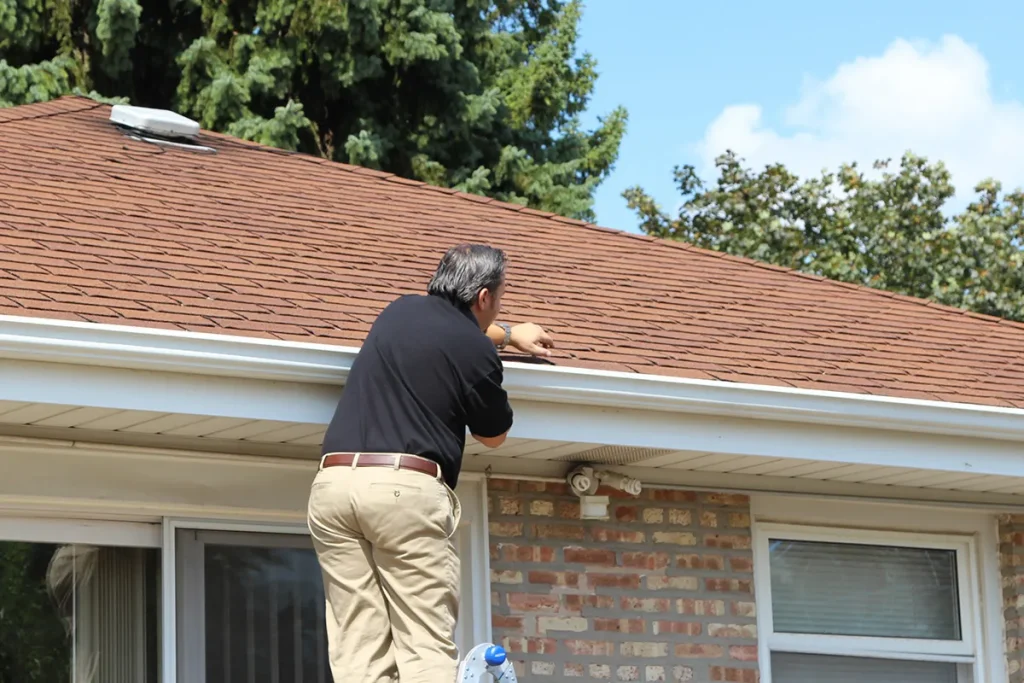
A wind mitigation inspection is not mandatory in Florida, but it is one of the smartest optional steps a homeowner can take. A licensed inspector examines specific structural features of your home and documents the findings on the standard OIR-B1-1802 form, which is what insurance companies use to calculate your eligibility for discounts.
Here is what gets evaluated:
Roof Covering
The type of roofing material and whether it meets Florida Building Code standards is the starting point. Roofs installed or replaced to meet the 2001 Florida Building Code or later generally qualify for stronger discounts.
Roof Deck Attachment
This looks at how the wood sheathing beneath your shingles is fastened to the roof trusses. Larger nails with tighter spacing provide significantly better wind resistance than older nailing patterns.
Roof-to-Wall Connection
The connection between your roof structure and the walls of your home is one of the most critical factors in hurricane performance. Metal connectors, specifically clips, single wraps, double wraps, or structural anchors, provide far greater resistance than toe nailing alone.
Roof Shape
Hip roofs, where all four sides slope downward to the walls, perform better under high-wind conditions than gable roofs. This is not just an engineering preference. It is a measurable factor that affects your insurance rating.
Secondary Water Resistance
A layer of water-resistant material applied between the roof deck and the shingles provides added protection if the outer covering is compromised during a storm. Homes with this feature qualify for additional credits.
Opening Protection
Windows, doors, and garage doors are the most vulnerable points in a home during a hurricane. Impact-resistant glazing, reinforced garage doors, and rated storm shutters all contribute to a stronger inspection result. Protecting these openings helps prevent pressure buildup inside the home, which is often what causes roofs to lift.
How the Inspection Translates to Insurance Savings
Once the inspection is complete and the report is submitted to your insurance carrier, your insurer reviews the features documented and applies the applicable credits to your premium. The more qualifying features your home has, the larger the reduction.
The inspection itself typically costs between $75 and $150 and remains valid for five years, provided no major structural changes are made to the home. For most Florida homeowners, the premium savings in the first year alone cover that cost entirely.
Who Benefits Most From Getting Inspected
Homes built before 2002 tend to benefit the most, since that is when Florida adopted significantly stricter statewide building codes. Older homes are more likely to have features that fall below current standards, which may already be reflected in higher premiums.
That said, newer homes are not exempt from benefit. Upgrades made after original construction, such as a roof replacement with improved attachment methods or the addition of impact windows, can improve an existing inspection result and lower premiums further.
If you are purchasing a home in Florida, particularly along the coast, requesting a wind mitigation inspection before closing is a sound decision. It gives you a clear picture of the home’s storm readiness and potential insurance costs before you sign anything.
Schedule Your Wind Mitigation Inspection With Pro-Spect
Pro-Spect provides licensed wind mitigation inspections throughout Florida. Our inspectors know exactly what insurance companies are looking for, and we document our findings thoroughly so your report holds up with any carrier.
We walk you through the results, explain what each feature means for your coverage, and make sure you leave with a clear understanding of your home’s wind resistance profile.
Contact Pro-Spect today to schedule your inspection and find out what savings your home may qualify for.