Most people buying a home in Florida spend weeks obsessing over square footage, school districts, and kitchen finishes. Very few stop to ask whether the air inside that home is safe to breathe.
Radon testing rarely makes the checklist. That is a mistake that can carry serious long-term consequences.
Florida has a statewide average radon level of 2.1 pCi/L, but that number does not tell the whole story. Radon levels vary significantly depending on soil composition, building construction, and ventilation, meaning your specific property could read well above the state average. The only way to know for certain is to test.
Skipping the test to save a few hundred dollars upfront may seem reasonable. It is not. If elevated radon goes undetected, the cost of remediation later, combined with the health risks your family faces in the meantime, far outweighs what you saved.
What Exactly Is Radon?
Radon is a naturally occurring radioactive gas. It has no color, no odor, and no taste. It forms underground as uranium and radium in soil and rock break down, and it rises through the ground before seeping into buildings through cracks in the foundation, pipe penetrations, and construction gaps.
In open outdoor air, radon disperses quickly and poses little risk. Inside an enclosed building, it can accumulate to dangerous concentrations. This is not a hypothetical concern. It is precisely why Florida law requires landlords to include a radon disclosure notice in residential leases, a detail many renters sign without fully reading.
Why Radon Is a Genuine Health Threat
Radon is the second leading cause of lung cancer in the United States, according to the EPA. It is responsible for roughly 21,000 lung cancer deaths each year nationwide.
There are no immediate symptoms to warn you. Radon exposure does not cause a cough the next morning or any noticeable short-term reaction. Damage accumulates silently over months and years of breathing elevated concentrations, and that is what makes it so dangerous. By the time health issues appear, significant harm has already been done.
Non-smokers are not protected. Long-term exposure to elevated radon levels increases lung cancer risk regardless of smoking history.
How Florida Homes Are Vulnerable
Florida’s geology creates specific radon risk patterns that differ from those of other states. Certain areas of Central and North Florida sit above phosphate-rich soils that are known to produce higher radon concentrations. Homes built on slab foundations can draw radon in through hairline cracks in the concrete. Homes with enclosed crawl spaces face similar risks.
Florida’s warm climate also means homes are often sealed tightly with air conditioning running for much of the year, which limits natural ventilation and allows radon to build up indoors rather than escape.
What the Radon Testing Process Looks Like
Professional radon testing is straightforward and causes no disruption to the home.
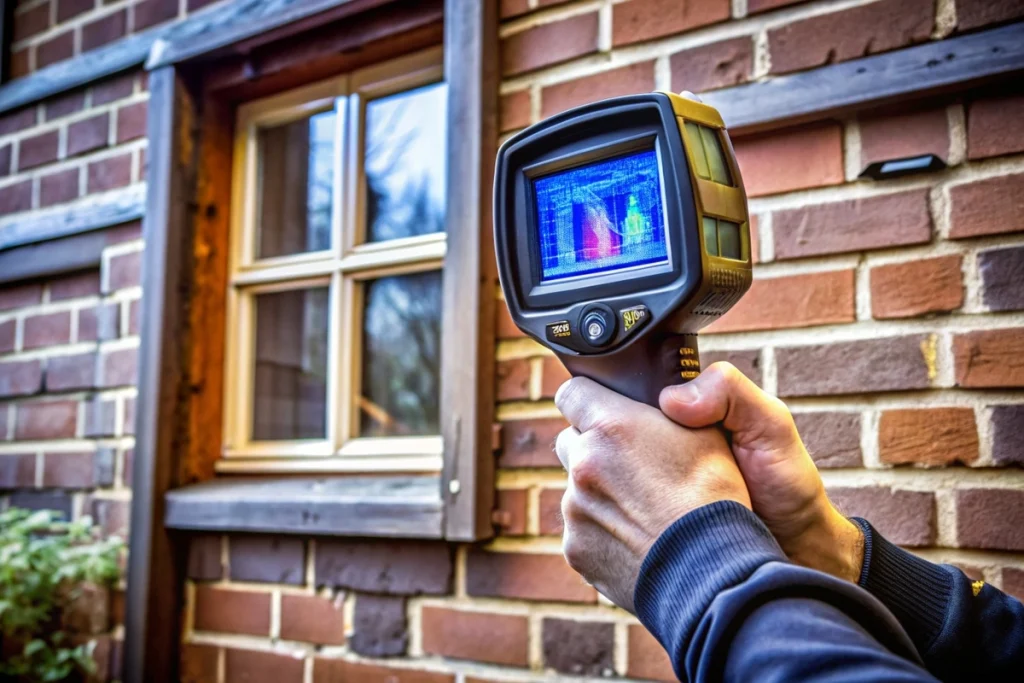
A licensed inspector places radon detection devices at the lowest livable level of the home, typically a ground floor room or enclosed space. The devices remain in place for at least 48 hours, during which windows and exterior doors should remain closed to ensure accurate readings. After the testing period, the devices are sent to an accredited laboratory for analysis.
Results are typically returned within a few days. If radon levels come back at 4 pCi/L or higher, the EPA recommends taking action to reduce them. Mitigation is a well-established process, and it works. However, none of that can happen until testing confirms there is a problem.
Short-term tests cover two to seven days. Long-term tests run beyond 90 days and give a more complete picture of average exposure throughout the year. Your inspector can recommend the appropriate approach based on your situation.
Why Professional Testing Matters
DIY radon test kits exist, but they are not the right choice when you are about to make one of the largest financial and personal decisions of your life. Professional testing provides accuracy, proper device placement, certified laboratory analysis, and a clear explanation of what the results mean for your specific home.
In Florida, radon testers must hold a valid license issued by the Florida Department of Health. Working with a licensed professional ensures your results are legally valid and that any follow-up mitigation is based on reliable data.
Protect Your Family with Pro-Spect
Pro-Spect provides licensed radon testing throughout Florida. Our inspectors understand local soil conditions, construction types, and the specific factors that affect radon accumulation in Florida homes. We deliver accurate results and straightforward guidance on what to do if levels require attention.
Do not leave your family’s health to guesswork. Contact Pro-Spect today to schedule your radon test.