Florida leads the country in residential swimming pools. With warm weather stretching across most of the year and outdoor living built into the culture here, a backyard pool is one of the most common and most valued features a Florida home can have.
It is also one of the most overlooked when it comes to due diligence.
Buyers spend considerable time evaluating kitchens, bathrooms, and square footage. The pool, sitting out back and looking perfectly blue, often gets a passing glance and nothing more. That is a mistake that can turn an exciting purchase into an expensive and potentially dangerous problem.
This blog covers what a pool inspection involves, why it matters specifically in the Florida context, and what inspectors commonly find that buyers and homeowners never expected.
What a Pool Inspection Actually Covers
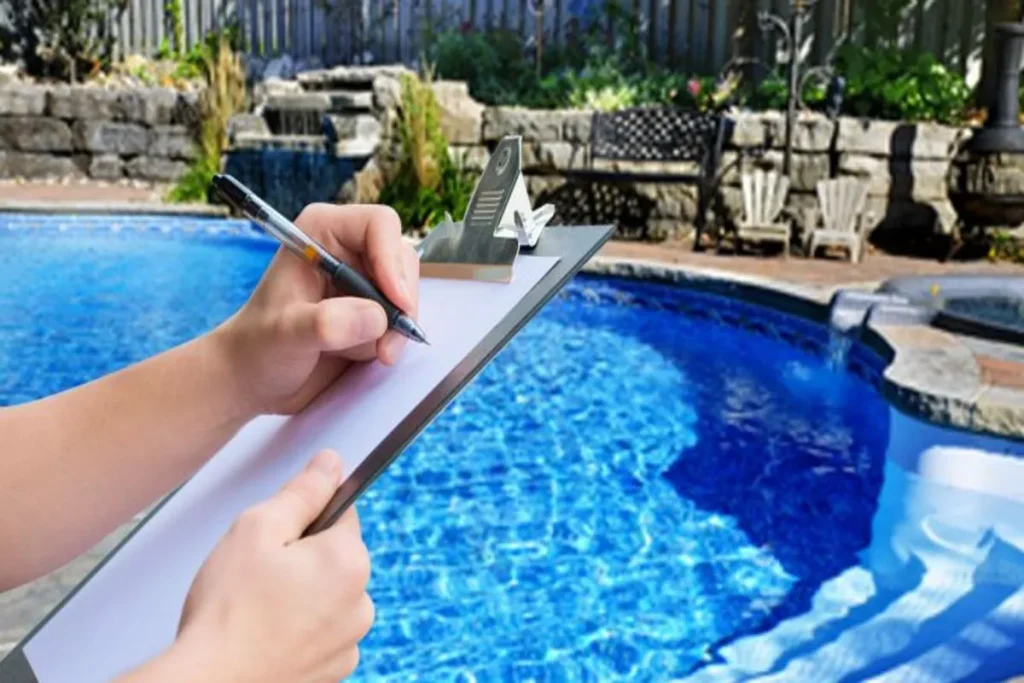
A pool inspection is a thorough evaluation of the swimming pool and all of its associated systems and surrounding areas. It is not a quick visual check. A qualified inspector examines the following:
The pool’s structural components, including walls, floor, and shell, for cracks, deterioration, or signs of shifting. The mechanical equipment, including pumps, filters, heaters, and circulation systems. The electrical systems connected to the pool, including lighting, bonding, and grounding. Water quality and chemical balance. Safety features such as fencing, gates, latches, alarms, and anti-entrapment drain covers. The surrounding deck, coping, and any attached features like spas, water features, or screen enclosures.
The goal is to identify existing problems, flag developing issues, and confirm that the pool meets current safety and code requirements.
Why Pool Inspections Matter More in Florida
Florida’s climate creates specific conditions that accelerate pool wear and introduce risks that homeowners in other states simply do not face to the same degree.
The combination of intense UV exposure, high humidity, heavy seasonal rainfall, and the presence of hurricanes puts Florida pools through considerable stress year-round. Ground movement, which is a genuine concern in parts of Florida due to the state’s limestone-based geology and sinkholes, can affect pool shells and plumbing in ways that are not visible from the surface.
Florida also has some of the strictest pool safety laws in the country, and for good reason. The state consistently records among the highest rates of childhood drowning in the nation. Florida law requires residential pools to have at least one of several approved safety features, including a compliant barrier, a safety cover, door alarms, or self-closing and self-latching gates. An inspection confirms whether these requirements are actually met, not just assumed to be.
Safety Compliance
Pool safety barriers are not optional in Florida. State law is specific about fence height, gate hardware, and barrier placement, and local municipalities sometimes layer additional requirements on top of state minimums.
An inspection verifies that fencing, gates, latches, and alarms are present, functional, and compliant. For families with young children, this is not a checkbox exercise. It is a potentially life-saving evaluation.
Structural Integrity
A pool shell that looks fine from the water line can have hairline cracks developing below the surface or at the base. Florida’s sandy soil and the region’s occasional ground movement mean that pool shells here are more susceptible to shifting and cracking than in areas with more stable soil composition.
Left unaddressed, structural cracks lead to water loss, undermining of the surrounding deck, and eventually far more expensive repairs than if the issue had been caught early. An inspection finds these problems before they become major.
Equipment Condition
Pumps, filters, heaters, and automation systems represent a significant portion of pool ownership cost. Equipment that is aging, improperly maintained, or failing drives up energy bills and leads to water quality problems that can make the pool unsafe to use.
Florida’s heat and humidity are hard on mechanical equipment. An inspection assesses whether everything is functioning as it should, identifies components nearing the end of their service life, and flags any safety concerns related to electrical connections or bonding.
Water Quality
Pool water that looks clear is not necessarily safe. Chemical imbalances can allow bacterial growth and waterborne pathogens to develop without any visible sign. An inspection includes a water quality evaluation to confirm that pH, sanitizer levels, and overall chemistry are within safe ranges.
This matters both for health and for the pool itself. Water that is out of balance damages pool surfaces, corrodes equipment, and shortens the lifespan of every component it touches.
Electrical Safety
Water and electricity are a dangerous combination, and pools involve both in close proximity. Florida inspectors look closely at underwater lighting, bonding conductors, grounding systems, and any electrical connections near the pool equipment pad.
Faulty pool bonding or grounding can create a condition called electric shock drowning, which is as serious as it sounds. This is not a theoretical risk. It is a documented cause of pool fatalities, and it is one that a proper inspection is specifically designed to catch.
Common Problems Inspectors Find in Florida Pools
Among the issues most frequently identified during Florida pool inspections: cracks in the pool shell or deck surface, failing or undersized pump and filter equipment, plumbing leaks that drive up water bills without obvious signs, non-compliant safety barriers or missing gate hardware, bonding and grounding deficiencies in the electrical system, deteriorating screen enclosure frames or panels, and missing or damaged anti-entrapment drain covers, which are required under federal Virginia Graeme Baker Act standards.
None of these are rare findings. Many are discovered in pools that looked completely fine before the inspection.
When to Schedule a Pool Inspection in Florida
If you are purchasing a Florida home with a pool, schedule an inspection before closing. Do not assume the general home inspection covered the pool in adequate detail. Most home inspectors perform only a basic visual assessment of pool areas. A dedicated pool inspection goes significantly deeper.
If you already own a pool, scheduling an inspection every few years keeps you ahead of developing problems, confirms ongoing code compliance, and gives you documentation that can be useful if you eventually sell the property.
After any major storm or hurricane, an inspection is advisable even if the pool appears undamaged. Ground movement, debris impact, and flooding can affect structural and mechanical components in ways that are not immediately visible.
Pro-Spect Provides Pool Inspections Throughout Florida
Pro-Spect conducts thorough pool inspections for Florida homeowners and buyers. Our inspectors evaluate every system and component, deliver a detailed written report, and give you a clear understanding of exactly what you are dealing with.
Whether you are buying a home with a pool, maintaining one you already own, or preparing to sell, Pro-Spect gives you the information you need to make confident decisions. Contact us today to schedule your pool inspection.